By Loveleen Multani Arun, Founder Director, Panache World A Panache World Travel Diary
· Western Australia
The Island Awaits
There are destinations that creep into your consciousness the moment you arrive, and
Rottnest Island (or “Rotto” as the locals call it with the casual affection one reserves for an
old friend) is exactly that kind of place. Lying just 18 kilometres off the coast of Fremantle in
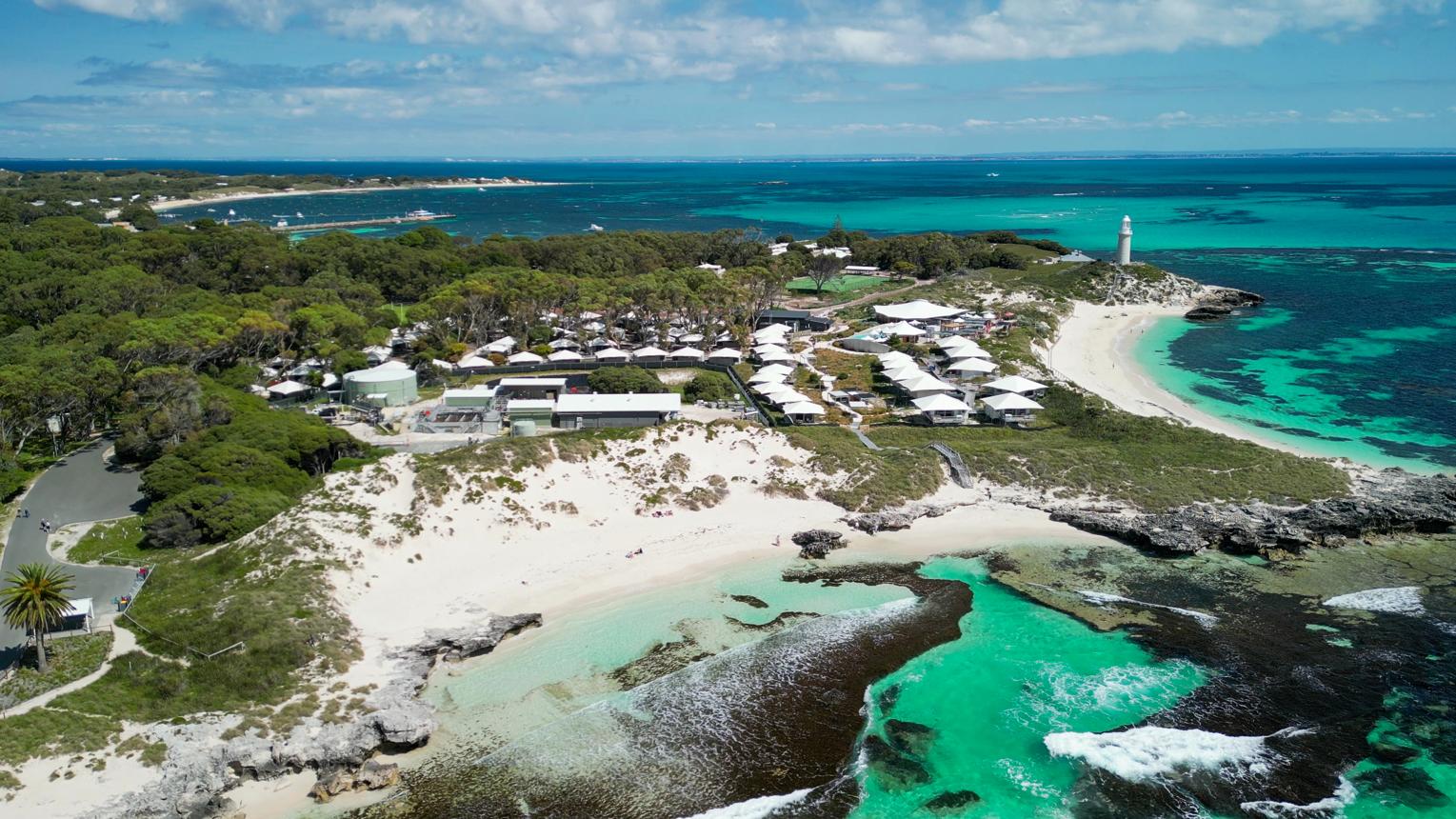
Western Australia, this 19-square-kilometre limestone island is a world unto itself: part
paradise, part wildlife sanctuary, part sensory dream. I arrived for a single day. I left already
planning the return.
What nobody tells you before you go is that Rottnest is not one colour. It is a canvas painted
in the most audacious strokes of coral-pink, cerulean-blue, sage-green and blinding white. It
is a place where salt lakes bloom the colour of strawberry jam, and the Indian Ocean arranges
itself into bays of such impossible turquoise that you suspect someone has tampered with
reality.
“I thought I had seen beaches before. Rottnest Island gently, cheerfully proved me wrong, in
the most spectacular fashion.”
Getting There: The Crossing Is Already Part of the
Adventure
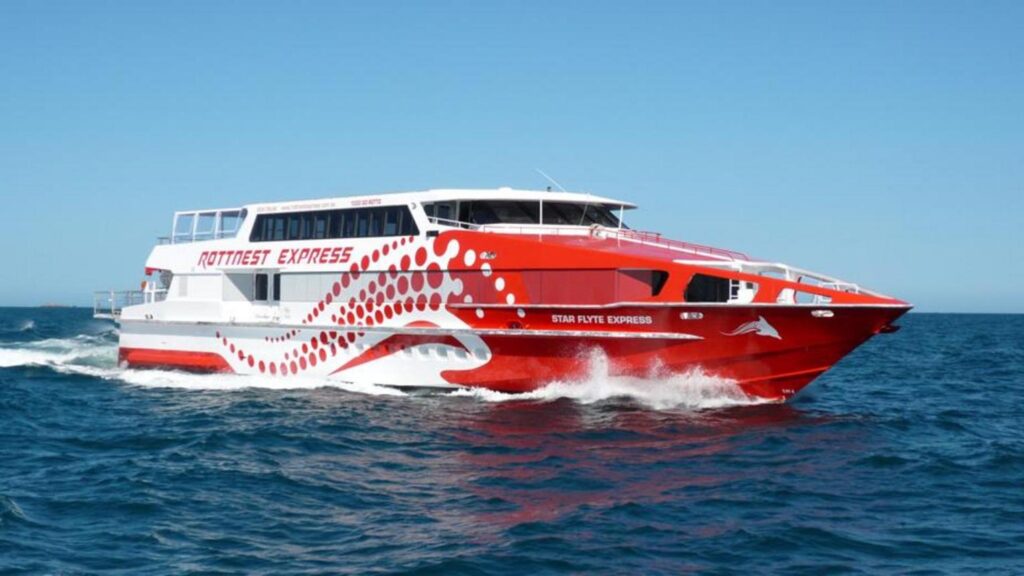
Getting to Rottnest Island is a journey that begins with the smell of sea air and the deep-
throated rumble of a ferry engine. Three departure points connect the island to the mainland:
Fremantle (the most popular, roughly 30 minutes), Perth’s Barrack Street Jetty (about 90
minutes, the scenic option), and Hillarys Boat Harbour north of Perth (around 45 minutes).
Rottnest Express and Sealink are the two main operators, running multiple daily services.
I boarded from Fremantle just as the morning light was still gold and low. The ferry carves
through open water with a confidence that sets the tone perfectly. You feel the city receding,
the mind slowing, the shoulders dropping. By the time Thomson Bay comes into view, you
are already a different, lighter version of yourself.
There are no private cars permitted on the island, a fact that seems radical until you realise it
is the island’s most inspired policy. The roads belong to cyclists, walkers, the island bus, and
adventurers on segways. The quiet is immediate, profound, and quite wonderful.
At a glance: From Fremantle ~30 min · From Perth CBD ~90 min · From Hillarys ~45 min ·
No cars on island, bikes, segways and buses only.
Who Should Go: Everyone. But Especially You.
Rottnest Island is a rare destination that genuinely has no wrong visitor. Families arrive for
the calm, snorkel-friendly bays where children can wade in water so clear it looks like liquid
glass. Couples come for the romance of cycling past sunset bays, lantern-lit dinners, and the
particular magic of sleeping somewhere that the city cannot reach. Solo travelers come for
the freedom. You can be entirely alone on a clifftop watching the Indian Ocean, or entirely
surrounded by the infectious good cheer of the settlement.
Adventure seekers find their fill in snorkeling, diving, surfing and the extraordinary
skydiving. Nature lovers wander trails through native tea-tree scrub, spotting osprey, sea
eagles and of course the famously photogenic quokka. Photography enthusiasts will need
significant storage space. And those of us who simply love the luxury of doing nothing very
elegantly will find that the island’s bays provide the world’s finest office for staring
thoughtfully at the horizon.
If you have one day, give it wholly to Rottnest. It will give back tenfold.
Things to Do: Twenty-Four Hours of Pure Wonder
The island operates on its own unhurried rhythm, and a day trip rewards those who surrender
to it. Begin at Thomson Bay Settlement, the heart of the island, where you can hire bikes,
board a segway tour, or simply walk the main strip lined with cafés, hire shops and the
cheerful chaos of visitors in holiday mode.
Snorkel the Bays: The Basin and Little Parakeet Bay are legendary for crystal-clear water
and abundant marine life. Hire gear from the settlement and wade in.
Cycle or Segway the Island: The 26-kilometre perimeter circuit is one of Australia’s great
rides. The segway tour is nothing short of extraordinary.
Oliver Hill Gun Batteries: A fascinating WWII-era gun emplacement with guided tunnels
and 360-degree views over the island.
Wadjemup Lighthouse: Climb to the top for panoramic views across the island and ocean,
the oldest lighthouse in Western Australia.
Skydive onto the beach: For the brave, one of the most unique jump zones in the world,
with a beach landing that defies description.
Spot quokkas: Simply wander. They will find you.
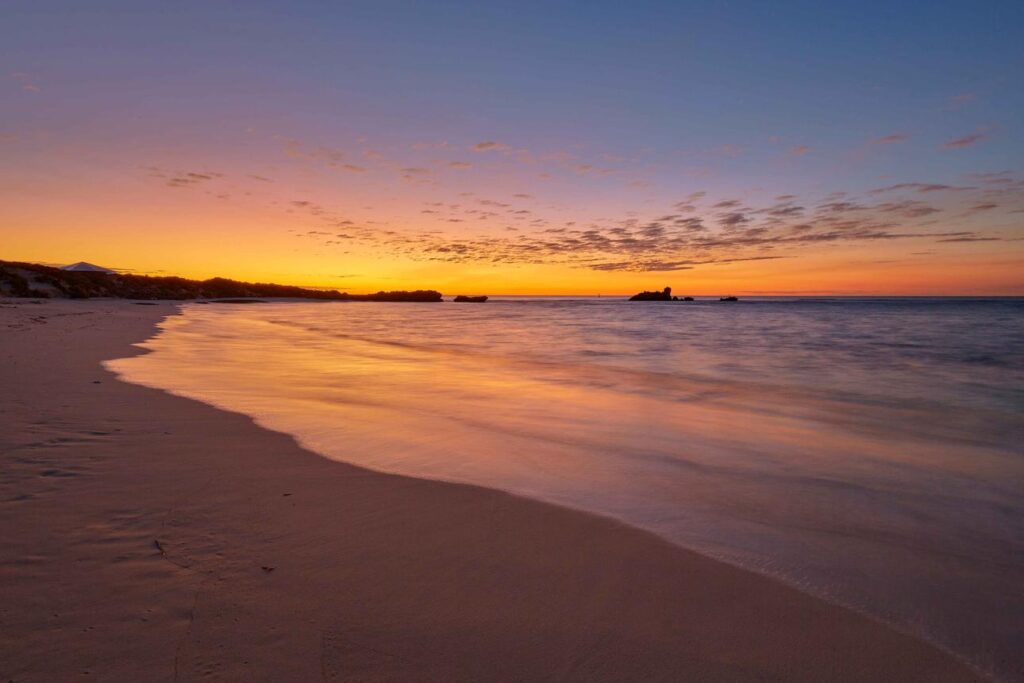
Sunset at Pinky Beach: Named for its faintly rose-tinted sand, this west-facing cove turns
golden at the day’s end. Do not miss it.
The Segway Journey: Gliding Through a Living Painting
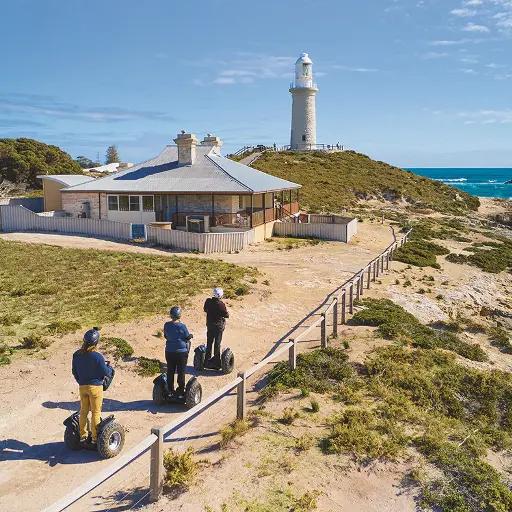
I had ridden segways before, through city squares, across hotel lobbies in moments of
unexpected whimsy, but nothing prepares you for what it means to ride one around Rottnest
Island. This was not tourism. This was transport through a fever dream of natural beauty.
Our small group assembled at the hire point, helmets buckled with the cheerful incompetence
of people who are clearly thrilled to be there. Within minutes, the settlement fell behind and
we were rolling along smooth paths flanked by silver-green scrub. The Indian Ocean
appeared in flashes between dunes, that particular shade of blue that exists only in Western
Australia, a blue so saturated it seems artificially lit.
And then the lakes. Oh, the lakes.
Nothing in any travel writing I had consumed, no photograph, no filter-heavy Instagram post,
had genuinely communicated what it is to stand at the edge of the salt lakes and confront pink
water. Not pink-ish. Not blush. Pink. The colour of peonies. Of Himalayan salt. Of a sunset
pressed flat and poured into a natural bowl among the limestone. The microalgae and
halophilic bacteria that create this phenomenon are ancient, indifferent organisms with no
interest whatsoever in being spectacular, and yet spectacular is the only word. I stood on the
segway, both feet planted, mouth genuinely open.
We crested a rise and the ocean appeared again, but different now. We were looking down at
Salmon Bay, and the water had shifted register entirely: from blush-pink to the most
extraordinary aquamarine, shallow over white sand, with the sun catching its surface in a
thousand shards of light. The blue was surreal, the kind that makes you wonder if the sky and
sea have traded colours, each trying to outdo the other.
The segway tour wound through the island’s quieter heart, past wind-stunted trees, past
osprey nests mounted improbably on poles, along clifftop paths where the Southern Ocean
roared at the rocks below. We paused at lookouts. We laughed; the wind makes you laugh on
a segway, freely and without apology. We emerged at the far beaches feeling like people who
had been handed a secret.
“The pink lakes and the blue bays exist in impossible proximity, as if the island itself cannot
decide between two equally beautiful moods.”
The Pink Lakes: When Nature Chooses Rose
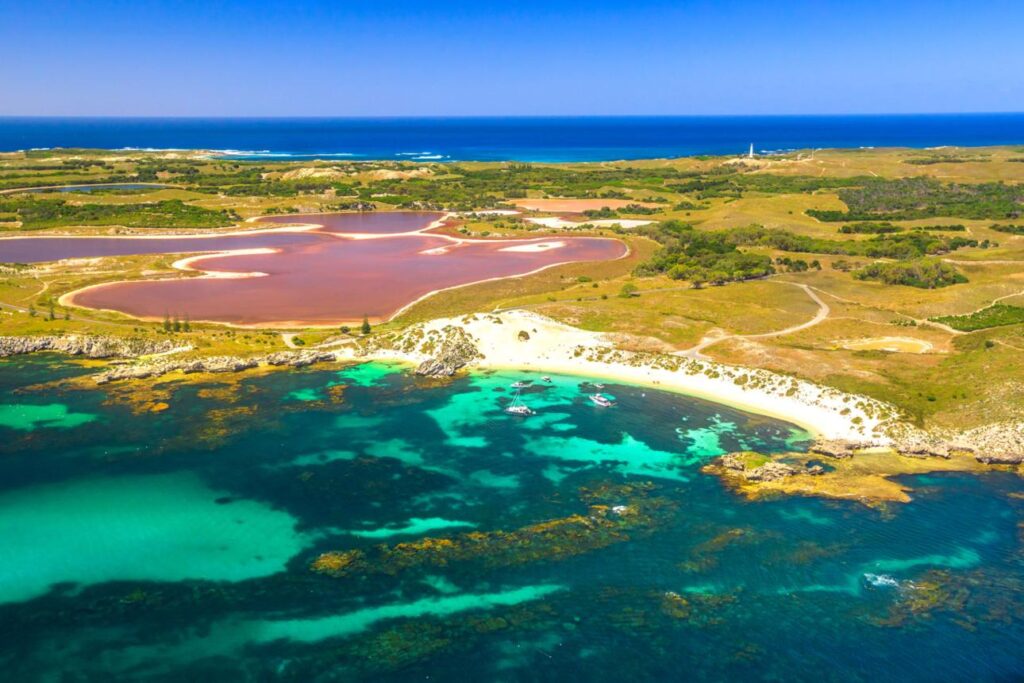
Rottnest Island is home to several salt lakes that turn varying shades of pink throughout the
year, the depth of colour intensifying in summer heat. The science involves Dunaliella salina
algae producing red carotenoid pigments in hypersaline conditions, combined with halobacteria working their chromatic alchemy in the brine. The result is nature operating at
its most aesthetically bold.
The lakes sit in shallow depressions across the island’s interior, surrounded by bleached
limestone and dry scrub, which makes their colour all the more arresting. There is something
quietly surreal about cycling or gliding past pink water in what feels like an otherwise
ordinary coastal landscape. It reminds you that the natural world, when left to its own
devices, has a flair for drama that no interior designer could match.
The best views come from higher ground. The segway route passes several excellent vantage
points where the pink sits in brilliant contrast against the blue of the ocean beyond. Carry a
camera. Take far more photographs than you think reasonable. You will not regret a single
one.
The Quokka: Joy in Marsupial Form
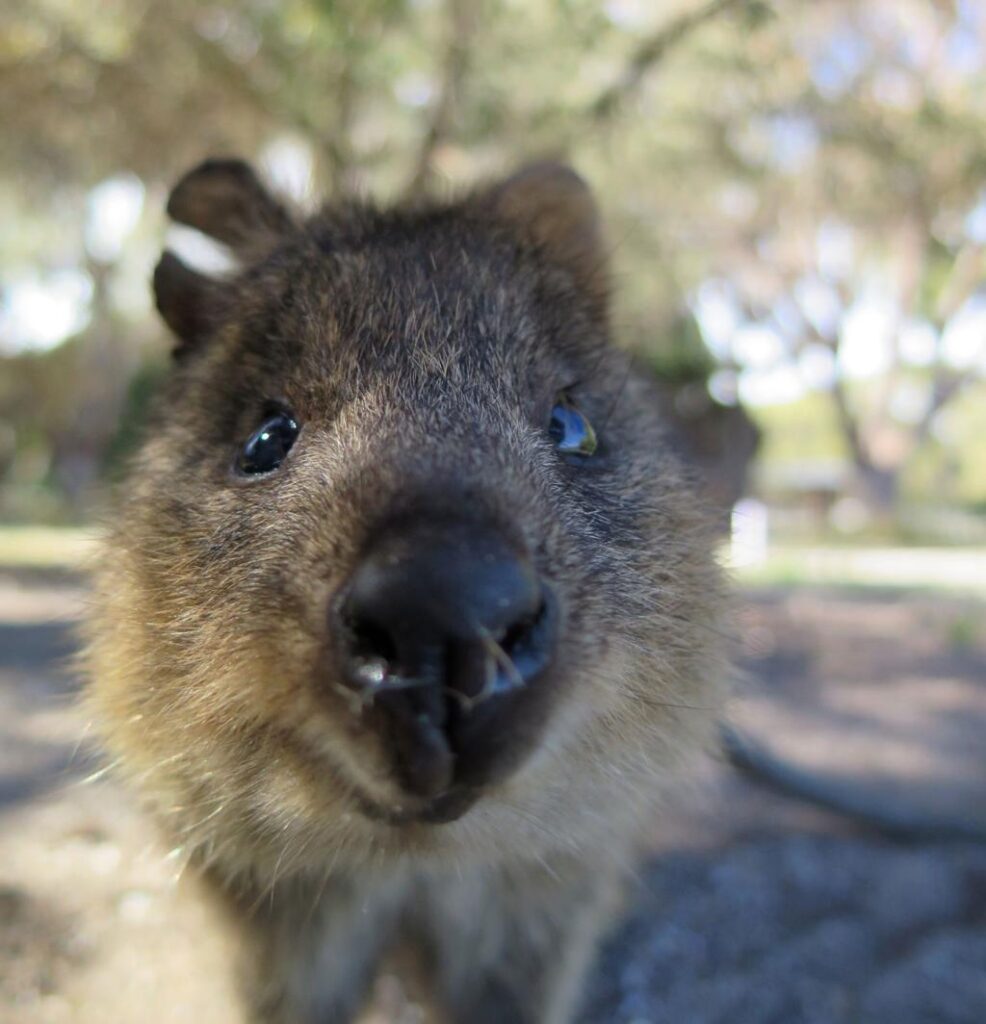
Let me tell you about the quokka. If you have not encountered one, you have been living at a
deficit of pure, unearned happiness. About the size of a domestic cat, with the round face of a
stuffed animal and an expression so permanently cheerful that scientists have actually
debated whether they are smiling or simply anatomically arranged that way, quokkas are the
soul of Rottnest Island.
They are everywhere. Or rather, they will find you. I was sitting on a low wall near the
settlement, sipping an iced tea and stealing a moment of shade from the relentless Western
Australian sun during a pause in my segway tour, when a quokka materialised approximately
four centimetres from my left knee, looked directly at me with an expression of absolute
benign interest, and simply waited. It did not beg. It did not flinch. It regarded me the way a
confident, cheerful creature regards everything, as a perfectly acceptable part of its afternoon.
The quokka population on Rottnest numbers approximately 10,000, roughly half the global
total. They are remarkably unafraid of humans, having evolved on an island with no natural
predators. They are also federally protected. You may not feed them, may not handle them,
and must not photograph them in a way that could distress them. What you absolutely should
do is crouch down at their level and take what the internet has aptly named the “quokka
selfie,” quite possibly the most joyful photograph a human being can take of themselves.
There is something about the quokka’s expression, that upturned mouth, those bright eyes,
that absolute refusal to be anything other than at ease with the world, that stays with you long
after you have boarded the ferry home. Rottnest has many gifts. The quokka may be its most
generous.
Skydiving: Falling from the Sky, Landing on Paradise
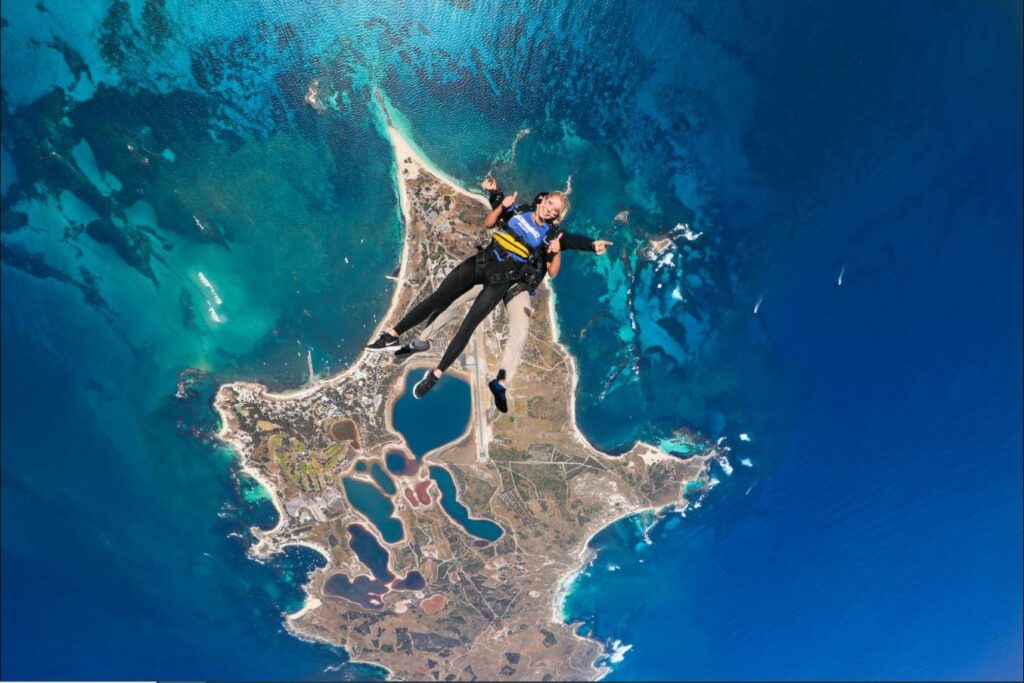
There are skydive landing zones, and then there is Rottnest Island. The experience offered
here is unique not merely in the leap (tandem skydiving from approximately 14,000 feet over the Indian Ocean) but in the landing: you touch down directly on the beach, with turquoise
water on one side and the startled, delighted faces of beachgoers on the other.
The jump arc takes you over open ocean, the island laid out below you in its full
extraordinary palette: the pinks and greens of the salt lakes, the impossible blues of the bays,
the white of the limestone cliffs, the tiny figures of cyclists on the coastal paths. At altitude,
Rottnest looks like something a landscape painter invented after a very good dream. The
wind rushes past at speeds that render thought impossible, which is perhaps the most
profound form of mental rest available to a modern human being.
The freefall lasts around 60 seconds. The parachute opens over the ocean, and then the island
comes slowly toward you in the most beautiful way: the settlement, the bays, the pale sand of
the beach warming in the sun. And then your feet touch sand, and someone nearby is almost
certainly taking a photograph of the most spectacular arrival they have ever witnessed.
Skydiving on Rottnest is not a thrill-seeker’s checkbox. It is a genuinely moving encounter
with scale, with the size of the ocean, the smallness of the island, the extraordinary luck of
being alive and airborne above all of it.
“To fall from the sky and land on a beach at the edge of the Indian Ocean is to understand,
briefly and completely, why travel exists.”
Overnight Stays: When a Day Simply Isn’t Enough
And it won’t be. I knew before the ferry had docked for the return that I would be back, and
that next time I would stay. Rottnest Island offers overnight accommodation ranging from
budget-friendly camping to genuinely comfortable lodges, all administered by the Rottnest
Island Authority, which means booking in advance is strongly recommended, particularly in
the summer high season.
Discovery Resorts Rottnest Island was a revelation I did not see coming. I had gone in to
inspect the property with mild curiosity and walked out thoroughly impressed. The glamping
tents are brand new and far more beautiful than the word “tent” has any right to suggest:
thoughtfully appointed, surprisingly spacious, and styled with a warmth that makes them feel
like a proper retreat rather than a compromise. If you had told me before my visit that a
canvas dwelling on a limestone island would make me want to cancel my return ferry, I
would not have believed you. And yet. The resort is also home to Pinky’s, a lovely eatery
that captures the island’s relaxed spirit perfectly. Named for the iconic Pinky Beach just steps
away, it is the kind of place where you linger far longer than you planned, with good food,
easy conversation, and the kind of view that makes every meal feel like a occasion.
Rottnest Island Lodge is the island’s most comfortable traditional option, situated in the
heart of Thomson Bay Settlement. Hotel-style rooms with modern amenities, a pool, and the
convenience of being steps from restaurants, hire shops and the ferry terminal, it is an ideal
base for first-time visitors who want comfort without sacrificing the island experience.
Heritage Cottages & Villas are dotted across the island, occupying buildings that date back
to the colonial era. Many are positioned near bays, offering the remarkable experience of
waking to ocean views from a building that has stood for over a century. Some sleep large
groups, making them ideal for families or friends travelling together.
Tentland Camping is for those who want the island at its most raw and intimate. Rottnest’s
campgrounds offer tent and powered sites with shared facilities. Falling asleep to the sound
of the ocean and waking before the day-trippers arrive is an experience that regular visitors
consider the island’s greatest secret. Book very early.
The great gift of staying overnight is the island after the ferries have gone. The settlement
quiets, the bays empty, the quokkas grow bolder in the dusk. The stars over Rottnest, far from
city light pollution, are a separate spectacle entirely. If you have even two days, take them.
Practical tips: Book months ahead for December through February. All accommodation is
through the Rottnest Island Authority website. Pack a torch for evening walks. The island’s
single supermarket stocks basics but not luxuries. Hire bikes on arrival; the best bays are a
short ride, not a walk.
Go. Simply Go.
Rottnest Island does not need to be oversold. It does not require elaborate itineraries or luxury
promises. It asks only that you arrive, surrender your phone to your pocket for at least part of
the day, and let the island do what it does: astonish you, slowly and completely.
The pink lakes will surprise you. The blue beaches will silence you. A quokka will make you
laugh. And the segway, that ridiculous, magnificent, wind-in-your-face segway, will carry
you through all of it with the particular joy of moving through paradise and knowing, for
once, that you are exactly where you are supposed to be.
Rottnest Island is 18 kilometers and an entire world away from the mainland. Go find out the
difference.