Sanjar Imam, Founder Director of Panache World, reflects on how photographs capture what we see — but writing helps us remember what we felt. Through moments in Puglia, Rajasthan and Kyoto, he explores why memory deserves more attention than the camera lens.
When the photo steals the moment
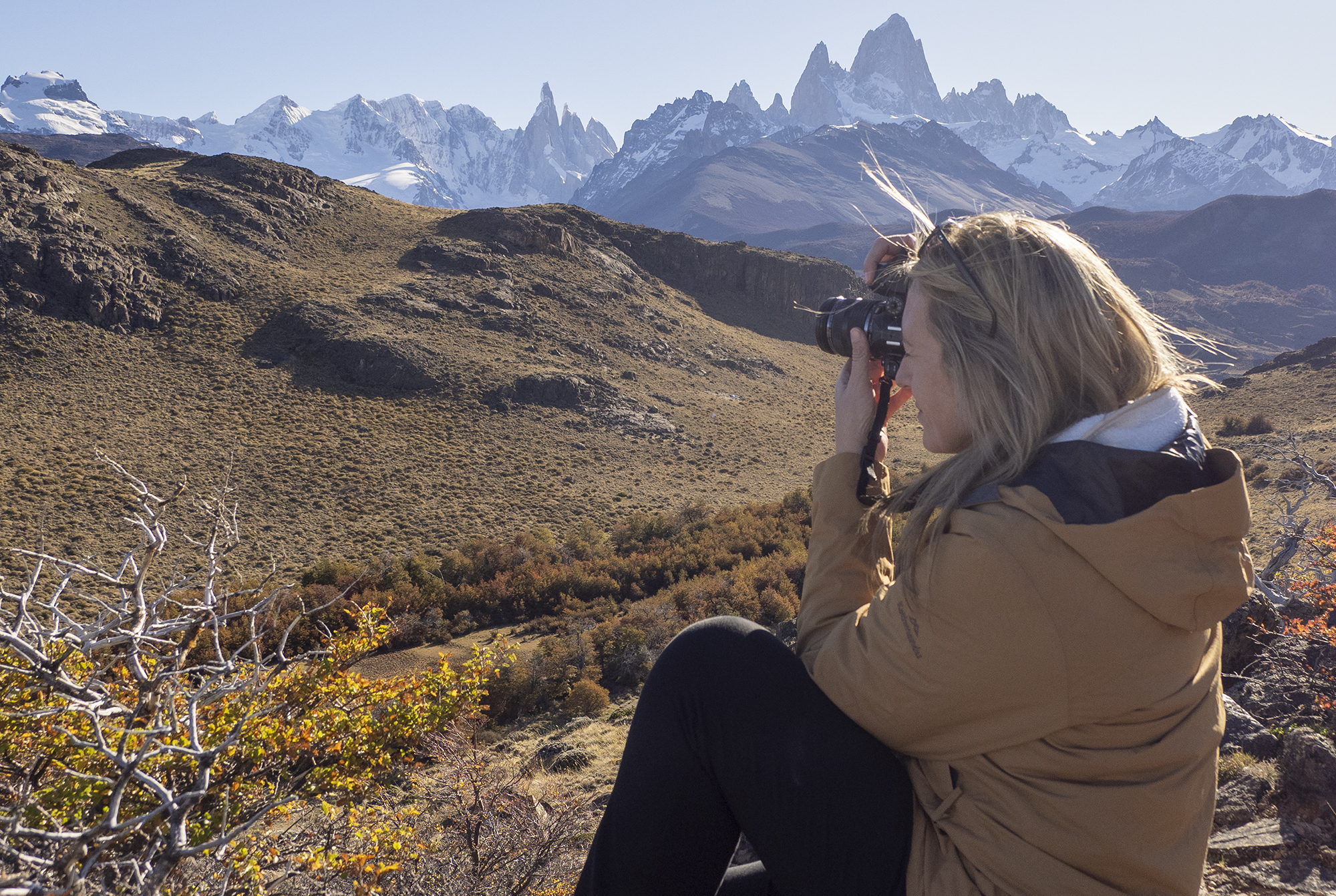
Somewhere between my thousandth sunset photograph and my inability to remember most of them, I realized the camera was stealing more than it was preserving.
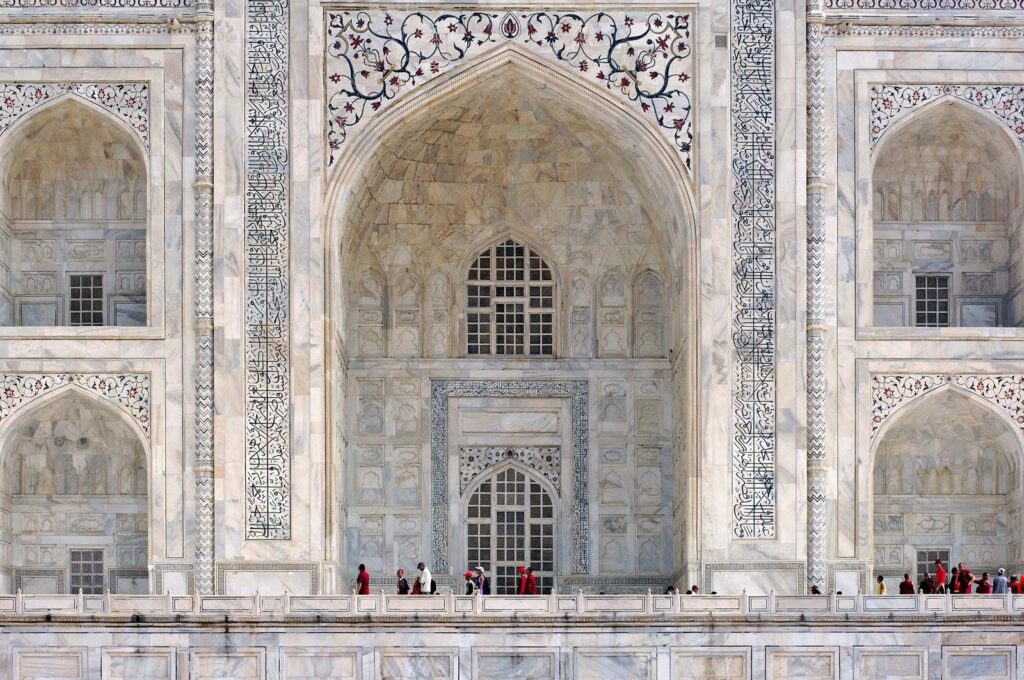
Several years ago I was at the Taj Mahal. The legend, the scale, the beauty and the perfection of the Taj was not new to me. I had seen the Taj in all possible hues a dozen times before.
That particular day, I was not there for the Taj.
It was to be a rendezvous of sorts. She was to be there. I had to be there.
My impatient eyes found her, perched on a marble bench halfway between the Taj and me, her back to the monument. For me, the Taj blurred into white insignificance.
Minutes later, she stood and walked toward me. As she approached me, I saw the signature tilt of her fine face, the upward glance, her eyes locking into mine, then the smile — partial at first, then plentiful.
No words were exchanged. She looked down, crafted her next step, walked past me and away.
In those minutes, I fell in love with her, hopelessly and forever.
No camera caught that moment. But I carry it still, more vividly than any photograph might have.
The photograph captures what is there. Writing captures why it mattered.
The difference between looking and seeing
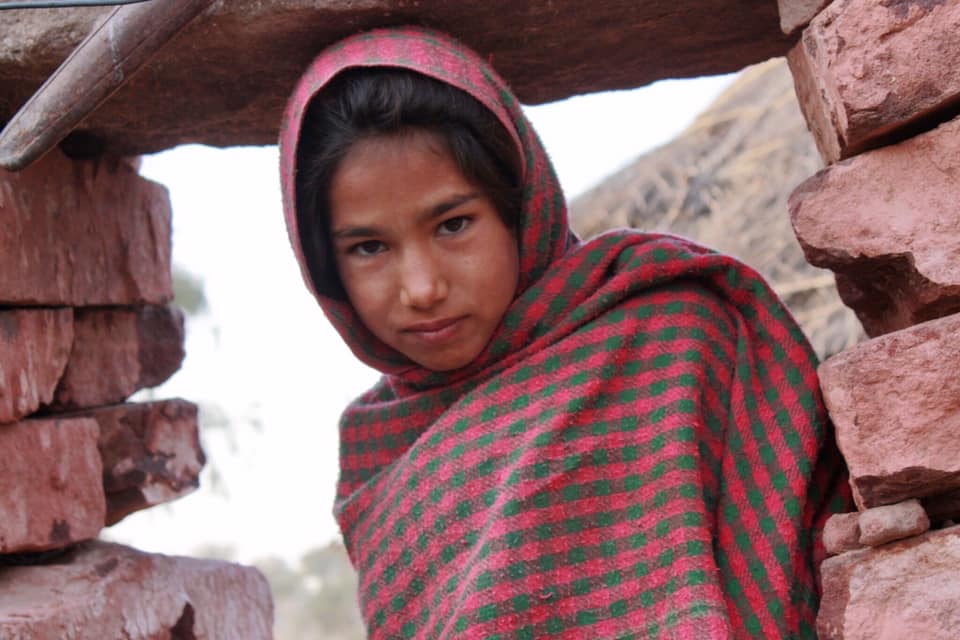
Years later, I met another girl, Bhanu, eleven years old, in a Bishnoi village in Rajasthan. She appeared at a window of unfinished brick, wrapped in a pilled woollen shawl, her face solemn, sometimes stern.
I photographed her. That photograph shows you: a poor girl in rural India.
But when I walked over and showed her the image on my camera screen, her joy kindled blushes she could not suppress. Her shy smile, then beaming, brought out the cheer that is natural, naïve, nice in a child. Priceless for me in that moment.
I tried coaxing her into smiling again for the camera. The images did not do justice.
The photograph documents. The spontaneity of the moment illuminates.
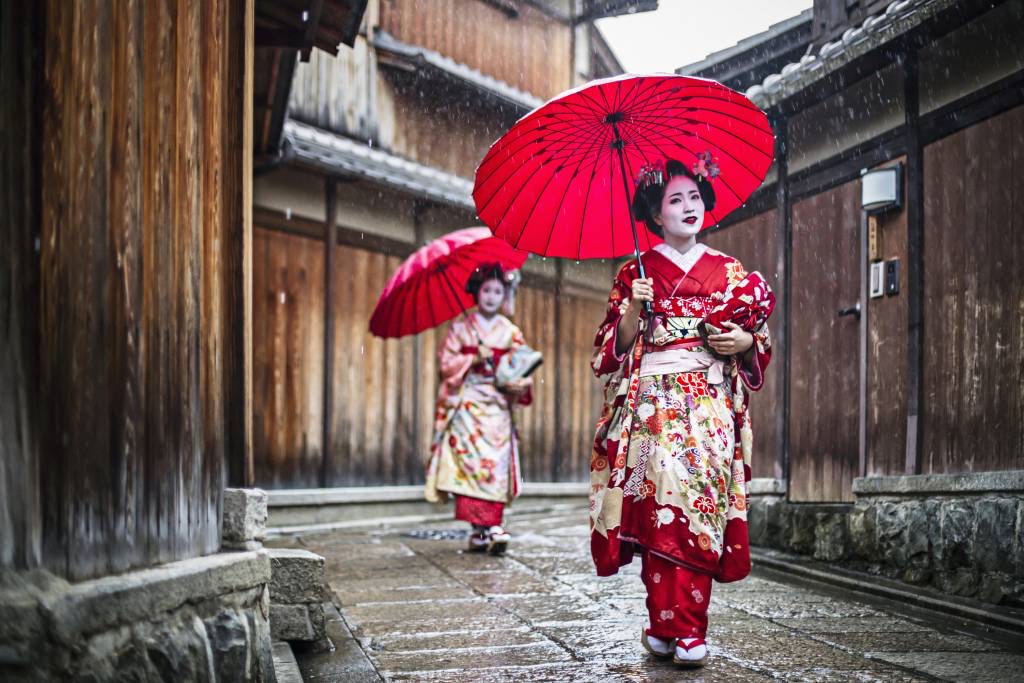
I watched a young woman on Gion Street in Kyoto take hundreds of selfies for the perfect shot. She wanted just herself and the empty street so she could capture the traditional Machiya houses without people ruining the frame.
She tried endlessly. Focused. Determined.
Behind her, two geishas walked past — white-painted faces, elaborate kimono, the distinctive shuffle of geta sandals on stone. The exact thing every visitor to Gion hopes to glimpse. Rare, fleeting, authentic.
She never turned around. Never noticed. She was too busy with her mobile screen, waiting for the street to be empty of life so she could photograph it perfectly lifeless.
She may have got her shot eventually. Empty street. Houses. No people.
She missed the geishas entirely.
The photograph becomes the experience. The experience becomes secondary.
I have been guilty of this. I have stood before extraordinary things and experienced them through a lens, composing the shot, checking exposure, missing the actual moment in pursuit of its replica.
The camera taught me to look. But it forgot to teach me to see.
About twelve years ago, I realized something uncomfortable: I remembered trips by photographs, not by experience. If I lost the photo, I lost the memory. The image had become the memory. That felt like a betrayal of the place, of the moment, of myself.
So I changed. I started writing instead of photographing. Not immediately, that would be as intrusive as the camera. But later. That evening. The next morning. On the flight home.
I would sit with what I had seen, felt, noticed. Let it settle. Then I would try to capture it; not the image, but the experience of it.
The discipline of writing forces you to articulate what mattered. Why did that moment stop you? What exactly did you feel?
A photograph does not ask these questions.
Writing makes you choose: Which detail matters most? The color on the door or the sound it made closing? The woman’s face or the way she held her child’s hand?
Photography captures everything in the frame. Writing captures only what haunts you.
Choosing memory over image
I am not a fundamentalist.
I carry my phone but use the camera within selectively.
I photograph faces, with permission, because expressions are fleeting. I photograph details too intricate for memory alone: a door knocker in Marrakech, tile patterns in Lisbon that took someone’s lifetime to lay.
I photograph moments with family and friends. Not necessarily for Instagram. For them. For later.
What I do not photograph anymore: monuments captured definitively by others, sunsets I will see again, ‘proof I was here’ shots I do not need.
The rule I try to follow: I photograph what is irreplaceable and unavailable elsewhere.
Everything else of essence, I try to write about.
Words convey what cameras cannot see, the before and after, the internal landscape, the why beneath the what. When I write about a place, I am not showing you what I saw. I am inviting you to see it your own way. Your riad in Marrakech will smell different from mine. Your autumn reds will differ. The olive grower’s voice you imagine will be different from what I heard.
That is not a failure of writing.
That is its purpose.
The photograph insists: It looked like this.
The narrative suggests: It felt like this. What might it mean to you?
One closes a door. The other opens it.
Forty years ago, I travelled with film cameras that were expensive and limited to thirty-six exposures per roll. You chose carefully. Today, people take two hundred photographs in an afternoon and remember nothing. I take two photographs in a week and remember everything.
The difference is not the camera. The difference is attention.
Photography taught me to look, to notice light, composition, geometry.
Writing taught me to see, to understand why it mattered, what it meant, how it changed me.
One is documentation. The other is memory.
I choose memory.
And perhaps, in reading this, you might choose it too.
Do you find yourself aligning with this way of seeing the world — to travel for meaning, not just memories? Let us craft a journey that feels as vivid as it looks. Book your next trip with Panache World.